 +91 9001007171

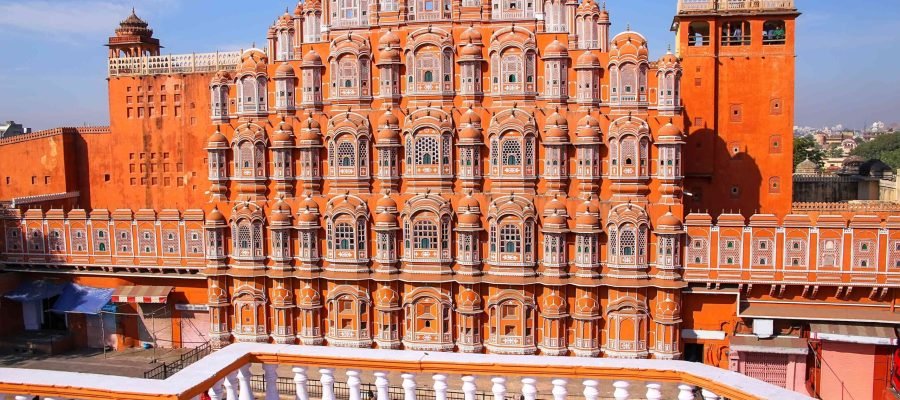
The Golden Triangle is India’s most famous travel route: Delhi, Agra and Jaipur, three cities close enough together to visit in a single trip, each offering something the other two don’t. It’s where you can eat breakfast beside a 500-year-old mosque, stand in front of the Taj Mahal by lunchtime the next day, and watch the sun set over a maharaja’s palace before the week is out. If you’ve heard one phrase more than any other while researching a first trip to India, it’s probably this one — here’s exactly what it means.
Why Is It Called the Golden Triangle?
Two reasons, and both are worth knowing. First, the literal one: plot Delhi, Agra and Jaipur on a map, and the roads connecting them form a rough triangle. Second, “golden” refers not to any literal gold, but to the sheer concentration of history and culture packed inside that triangle — Mughal forts, the world’s most famous mausoleum, and a living royal capital, all within a few hours’ drive of each other. It’s the name the Indian tourism industry settled on decades ago for the country’s single most popular circuit, and it’s stuck ever since.
What Each City Actually Contributes
Delhi — layered history, in one city
Delhi has been the capital of multiple empires across the centuries, which is why its architecture jumps between eras within a few streets — Mughal mosques, British colonial boulevards, and modern government buildings all sit within a short drive of one another. It’s usually where a Golden Triangle trip begins and ends.
Agra — one unmissable monument, and more besides
Agra exists on most itineraries for a single reason: the Taj Mahal. But it also holds Agra Fort, the red sandstone fortress the Mughal emperors ruled from, and a genuine, functioning old city around both.
Jaipur — royal heritage you can still feel
Jaipur, the Pink City, is Rajasthan’s capital and was a planned royal city from the start, built by Maharaja Sawai Jai Singh II in the 18th century. Unlike Delhi and Agra’s empires, Jaipur’s royal family still exists, and parts of the City Palace remain their residence — heritage here isn’t just preserved, it’s still lived in.
How Long Do You Need?
A rushed version can be done in 3 days, but most travellers find 5 to 7 days lets each city breathe — one full day for Old and New Delhi together, a day and a night in Agra to see the Taj Mahal at both sunset and sunrise, and two full days in Jaipur for its forts, palaces and bazaars. We build the Golden Triangle in lengths from 3 to 11 days, depending on how much time you have and whether you want to add Ranthambore, Pushkar or Udaipur along the way.
The Food You Shouldn’t Miss
Each city on the Golden Triangle has its own food identity, and trying all three is one of the most underrated parts of the trip.
Delhi
• Chaat — tangy, spiced street snacks like golgappa (crisp shells filled with spiced water) and aloo tikki, best found in Old Delhi’s lanes
• Butter chicken and kebabs — Delhi is where butter chicken is widely believed to have been invented, at a restaurant in Daryaganj still serving it today
• Chole bhature and paranthas — a hearty Delhi breakfast, especially in the famous Paranthe Wali Gali (“Lane of Paranthas”) in Old Delhi
Agra
• Petha — Agra’s signature sweet, a translucent candy made from ash gourd, sold in dozens of flavours across the city
• Bedai and kachori — a popular Agra breakfast, spiced fried bread served with a tangy potato curry
Jaipur
• Dal baati churma — Rajasthan’s signature dish: baked wheat rolls, lentils, and a sweet crumbled wheat dessert, eaten together
• Pyaaz kachori — a Jaipur street food classic, a flaky pastry stuffed with spiced onion
• Ghewar — a disc-shaped, honeycombed sweet, especially popular during festival season
• Lassi — a thick, cold yoghurt drink, sold in earthenware cups across the old city
Vegetarian travellers are genuinely well catered for throughout the Golden Triangle — much of Rajasthani food in particular is vegetarian by tradition, not as an afterthought.
What to Avoid: Unregistered “Guides”
This is one of the most common ways first-time visitors have a bad experience on the Golden Triangle, and it’s entirely avoidable. Around major sites like the Taj Mahal and Agra Fort, it’s common for people to approach tourists offering a cheap, informal tour on the spot — sometimes with a laminated card that looks official but isn’t. These aren’t registered guides, and there’s no way to verify who they actually are, what they’ll tell you, or where they’ll take you.
• A genuine government-licensed guide carries an official ID card issued by the Ministry of Tourism or the state tourism department — ask to see it, and be cautious of anyone who can’t produce one.
• A price that seems too low is usually the clearest warning sign — it often means an unlicensed guide relying on commission from shops they’ll pressure you to visit, rather than the tour itself.
• Always arrange your guide in advance through your hotel or a registered tour company, rather than accepting an offer made to you on the street.
How to Book the Golden Triangle Safely
The single best way to avoid the problems above is straightforward: book through a registered, verifiable tour company before you arrive, rather than arranging guides city by city once you’re already there.
• Check for government registration — we are GST and Udyam registered, based in Jaipur since 2019, which you can verify independently, not just take our word for
• Check real reviews — look for guest reviews with names, dates and photos on Google and TripAdvisor, not just testimonials on the company’s own website
• Confirm your guide is licensed — every guide we provide is government-registered, with the same ID they’ll show you in person
• Get everything in writing before you pay — your itinerary, inclusions, and price, confirmed by email or WhatsApp, not agreed verbally on the day
• Prefer a private vehicle and guide over a shared group tour — it costs more, but you’re not relying on a stranger’s schedule or judgement for your only Taj Mahal morning
Booking this way costs a little more than accepting the cheapest offer on the street — but for most travellers, it’s the difference between a smooth, well-paced trip and a stressful one built around commission stops you didn’t ask for.
Frequently Asked Questions
Is the Golden Triangle only for first-time visitors to India?
It’s especially popular for first-timers, since it covers India’s most iconic sights efficiently, but plenty of returning visitors do it again with a different pace, different hotels, or added destinations like Ranthambore or Udaipur.
Can the Golden Triangle be done independently, without a tour company?
Yes, technically, but most travellers find a private guide and driver removes far more stress than it costs, particularly around avoiding unregistered guides and unreliable transport between cities.
Is the Golden Triangle suitable for families with children?
Yes — a private vehicle and a paced itinerary (rather than a large group tour) tend to work particularly well for families, since timing can flex around children’s needs.
What’s the best time of year to do the Golden Triangle?
October to March offers the most comfortable temperatures for sightseeing across all three cities.
Can I add other destinations to a Golden Triangle trip?
Yes — Ranthambore for a tiger safari, Pushkar for its holy lake and temples, and Udaipur for its palaces and lakes are the most popular additions, and all fit naturally into a longer version of this same route.
Ready to see the Golden Triangle for yourself? Our tours run from 3 to 11 days, with private, licensed guides throughout — explore our Golden Triangle tour pages, or get in touch and we’ll build the right length of trip around your dates.